



NEWSMAKER INTERVIEW:
One of Sen. John McCain’s campaign chairmen Wednesday blamed President Bush and Republicans in Congress for having damaged the party’s brand identity but promised that the senator from Arizona will soon announce the most comprehensive and detailed economic plan “ever.”
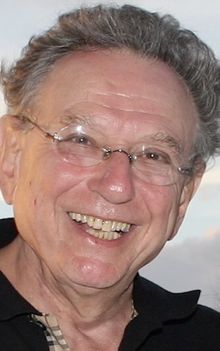
The problem for Mr. McCain and other Republican candidates this year is not that the public has changed its mind on what it considers important issues, said former Sen. Phil Gramm of Texas.
“It’s just changed its mind about whether Mr. Bush and Republicans in Congress still care about those same issues,” he told editors and reporters during a breakfast meeting at The Washington Times.
“We’ve had eight years of ever-increasing growth in government and in levels of spending,” which has blurred the difference between Republicans and Democrats, said Mr. Gramm, a personal friend of Mr. McCain’s and vice chairman of UBS, the giant Swiss banking firm for which he once lobbied.
“Bush should have vetoed a lot more [spending] bills,” said Mr. Gramm, who sought the 1996 GOP presidential nomination with Mr. McCain as his national campaign chairman at the time. He attributed Mr. Bush’s veto aversion - he refused to sign only one bill in his first six years in office - to the fact that he was dealing with a Republican-controlled Congress for most of that time.
Mr. Gramm was also critical of Mr. Bush’s handling of foreign policy - Iraq and otherwise - and praised Mr. McCain for having saved the U.S. from defeat in Iraq by speaking out early and often against the conduct of the war by Mr. Bush and Defense Secretary Donald H. Rumsfeld.
By the time Mr. Bush relented and adopted the surge in military forces that Mr. McCain advocated, it no longer was Mr. Bush’s war but “it became McCain’s war, incredibly.” Mr. Gramm said then to a laugh with some edge: “No good deed ever does go unpunished.”
“But without McCain, we would have lost the war on Iraq,” Mr. Gramm added.
Mr. Gramm criticized the Bush position on Iran as effectively a do-nothing policy that puts the United States in a position of eventually having to choose between letting Tehran develop nuclear weapons or committing an act of war by destroying Iran’s nuclear facilities. He said embargoes and trade sanctions against large nations generally don’t work, especially absent an international consensus.
“I’m quite surprised no one has looked at some of the simple alternatives [of] a naval quarantine,” he said, noting that Tehran “would threaten to stop exporting oil, but it would kill them [economically].”
Otherwise, he said, “you either attack these facilities or accept a nuclear-armed Iran, with the danger of proliferation, even if the [Iranian] government didn’t want proliferation. Their society is so honeycombed with [terrorist] sympathizers, it’s hard to imagine that terrorists would not get fissionable material or a nuclear device.”
Mr. Gramm gave his version of a theme that Mr. McCain and his surrogates have been sounding: the need to relieve a tax burden on job creation, which is not normally a key issue for voters.
“We are in the process of putting together this week the most comprehensive economic program anybody has ever done,” he said. “It is anything but more of the same. It is true that Senator McCain does not want to raise taxes in the midst of a recession or in the midst of an economic downturn and admits he wants to make the Bush tax cuts permanent.”
“But we have the second highest corporate tax rate in the world,” he said. If “you take into account state corporate income taxes, we have the highest in the world, because other countries like Japan don’t have state taxes. We can’t be competitive with that tax rate.”
Mr. McCain, most noted for changes he helped author in federal campaign finance regulations, made enemies of many in his party as a result.
“He’s been an engine of change in many areas, some of which I agree with, some of which I don’t,” Mr. Gramm said. “But there is no evidence Hillary Clinton or Barack Obama had been the instrument of any change of any significance anywhere.”
Moving back to criticism of his own party, Mr. Gramm also said Mr. Bush has been inept in getting from Congress the kind of legislation he wanted.
“President Reagan was master at that, and Bill Clinton was very good. I don’t see Bush White House ever exerted any significant influence” in molding the bills that came out of House-Senate conferences.
While many irate Republican donors accused their party’s lawmakers of extravagant spending when in the majority, Mr. Gramm cut those legislators something of a break, saying, “The Republican Congress would have been more responsible had the White House pushed back.”
He complimented Senate Minority Leader Mitch McConnell, Kentucky Republican, for “preventing Democrats from doing bad things they intended to do.” He also singled out for praise Rep. Jeb Hensarling of Texas and Rep. Mike Pence of Indiana for their leadership of the Republican minority in the House.
“The major reason I’m for McCain is that I know he will change the way we do business in Washington - in spending, stopping earmarks, vetoing spending bills and making the government smaller in relative terms to the economy,” he said.
Follow the author

Please read our comment policy before commenting.